404 Error: Player Not Found
Many developers don’t think about their audience until they’re getting ready to launch. They build a game they love, assume “it’s for everyone,” and discover too late that if everyone is your audience, no one is.
Prêt à apprendre des cerveaux les plus brillants du développement de jeux?
MIGS26 est de retour avec plus de scènes, plus de conférenciers et plus d’occasions de faire progresser votre entreprise et votre carrière.
Cette édition comprend trois scènes de contenu – couvrant volets affaires, les stratégies de développement externe, et développement – pour offrir les stratégies, idées et perspectives qui façonnent l’avenir de l’industrie.
Des géants AAA aux indépendants innovants, ces experts de l’industrie ont bâti des mondes, lancé des succès et dirigé des équipes à l’échelle mondiale.
Many developers don’t think about their audience until they’re getting ready to launch. They build a game they love, assume “it’s for everyone,” and discover too late that if everyone is your audience, no one is.
In a world where self-publishing has become the default setting for most games studios, the question remains: how do we finance our games? In this panel, we will explore different perspectives on how to address the issue. The discussion will range from emerging new fund models, to changes in financing terms, to the evolution of funder objectives. If you are looking for funding outside the traditional publisher landscape — or looking to invest in games through a new vehicle, this is where you want to be.
Most studios launch on one store. The ones building real platform breadth are playing a different game: reach and growth. In this session, EGS Account Director Sarah Thomson breaks down what it actually takes to ship across multiple storefronts. She covers the growth case for going wide: different audiences, regional platform strength, and the discovery lift that comes with more storefronts. Then the honest part: where the operational cost actually lives, and how to get ahead of it. Lastly, Sarah shares practical framework for deciding which stores deserve investment for which titles, and how to potentially build positive relationships with platform partners.
How Far Far West perfected its open playtesting to grow a huge pre-launch community and achieve 1.5 million sales in 3 months.
How publishing deals are changing in the game industry’s new normal and what specific deal points to look for. In this session, Louis-René will highlights how publishing deals are changing and what the before/after deal terms look like. He will focus on specific examples from past deals to anchor the presentation inreality
Dallas Dickinson, Head of Franchise for Story Kitchen (the leaders in videogame-to-linear adaptation), will discuss the best practices and pitfalls of telling stories across multiple formats. How do you best adapt your videogame for TV, film, comics, and LBE? How do you expand your franchise’s world without diluting its originating DNA? How do you ensure that your vision, as the creator of a world, is protected? And finally, how does working with a global vision increase the financial success of your company?
Empowering Impactful People: “How IO Interactive’s studio strategy shaped 007 First Light” explores how IO Interactive evolved from a single studio into a globally connected development organisation while building 007 First Light. Sandra S. Mondahl shares lessons on scaling teams, maintaining culture across locations, enabling effective leadership in distributed environments, and connecting local studio strengths to a shared global vision.
This panel will explore the game consumption growth markets of Africa, Latin America, and the Middle East. Often dismissed as insignificant relative to the USA and Chinese global dominance, these more “exotic” regions are experiencing higher degrees of growth in recent years and represent untapped markets for selling our games and finding new fans. Further, each region has its own peculiarities to achieve success, best understood from experts operating in the region.
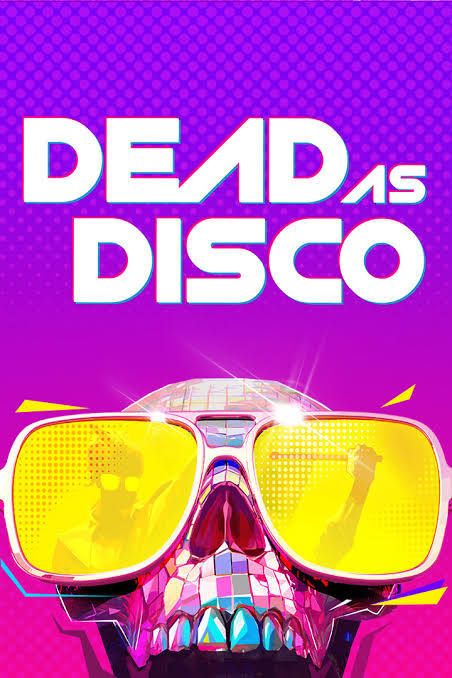
Brain Jar Games successfully launched a new IP into Early Access with their hit title, Dead as Disco, a top Steam seller with reviews at an astonishing 97% (Overwhelmingly Positive). As today’s gaming landscape gets more and more difficult, James will walk through what set Brain Jar up for not just Early Access success, but continued success in the future. This talk is useful for anyone interested in developing and marketing a new IP and setting up their team/studio to achieve that.
In this fireside chat, Isabelle Mocquard and Stefan Beauchamp-Daniel will explore what a decade of building and evolving Dead by Daylight can and cannot teach us about the future of 7 Days to Die. From game development and product strategy to community management, live operations, player insights, marketing, and monetization, they will share candid lessons from growing a long-running live service and applying those learnings to an established franchise with a passionate player base.
Multiplayer should expand a game’s creative possibilities, not force its design around technical limitations. Today, developers can build ambitious shared worlds, responsive physics, competitive experiences and entirely new forms of player interaction more easily than ever. Through dissections of successful games, this talk will explore the latest Photon advances across Unity, Unreal and Godot, and the technical choices that let teams bring an original idea online without losing what made it special.
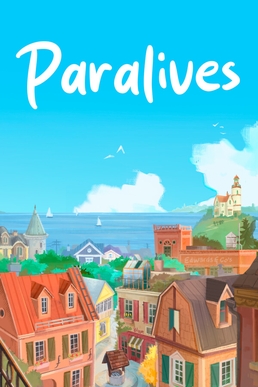
In this talk, Alex Massé, the founder and lead developer of Paralives will detail how what started as a solo project managed to become a successful life simulation game thanks to a marketing-first strategy. An overview of the challenges encountered will be shared, covering many aspects of the project such as the Patreon crowdfunding, the technical difficulties, the art direction, increasing the size of the team, the marketing around launch, the Early Access release, and more. After 7 years of development with a small team of 15 people, Paralives released on May 25, 2026 and sold more than 1M copies in its first month.
For decades we’ve seen veteran developers jump ship and start their own studios — but here in 2026, there are new challenges to face, and new strategies to employ. Join Tanya X. Short, Captain of Kitfox Games (established 2013), in learning from Clint Hocking (Build Machine Games, 2026), Kris Schoneberg (Studio Reset, 2026), and Pierre-Andre Dery (Studio Ricochet, 2026) all about the freshest hazards, risks, and rewards they’re facing in their independent journeys. Each studio is following a different path, but all approach the same fundamental problem of how to orient yourself and your team towards that first pitch meeting, with your first game. This panel will NOT discuss funding directly, but rather the logistics and minefields of independent development itself, in a funding-scarce environment.

Most game projects fail long before launch, not because of poor execution, but because there was never real demand for the game in the first place. In this talk, Mike Coeck, CEO of Cybernetic Walrus, shares how a small Belgian indie studio shifted from building games based on assumptions to validating ideas early through a structured approach called the Momentum Framework.
This talk will cover the state of play for the games industry in Canada, an honest look at challenges and trends, alongside thoughts on the opportunity that lies ahead and how we can work together to ensure the industry thrives during uncertain times.
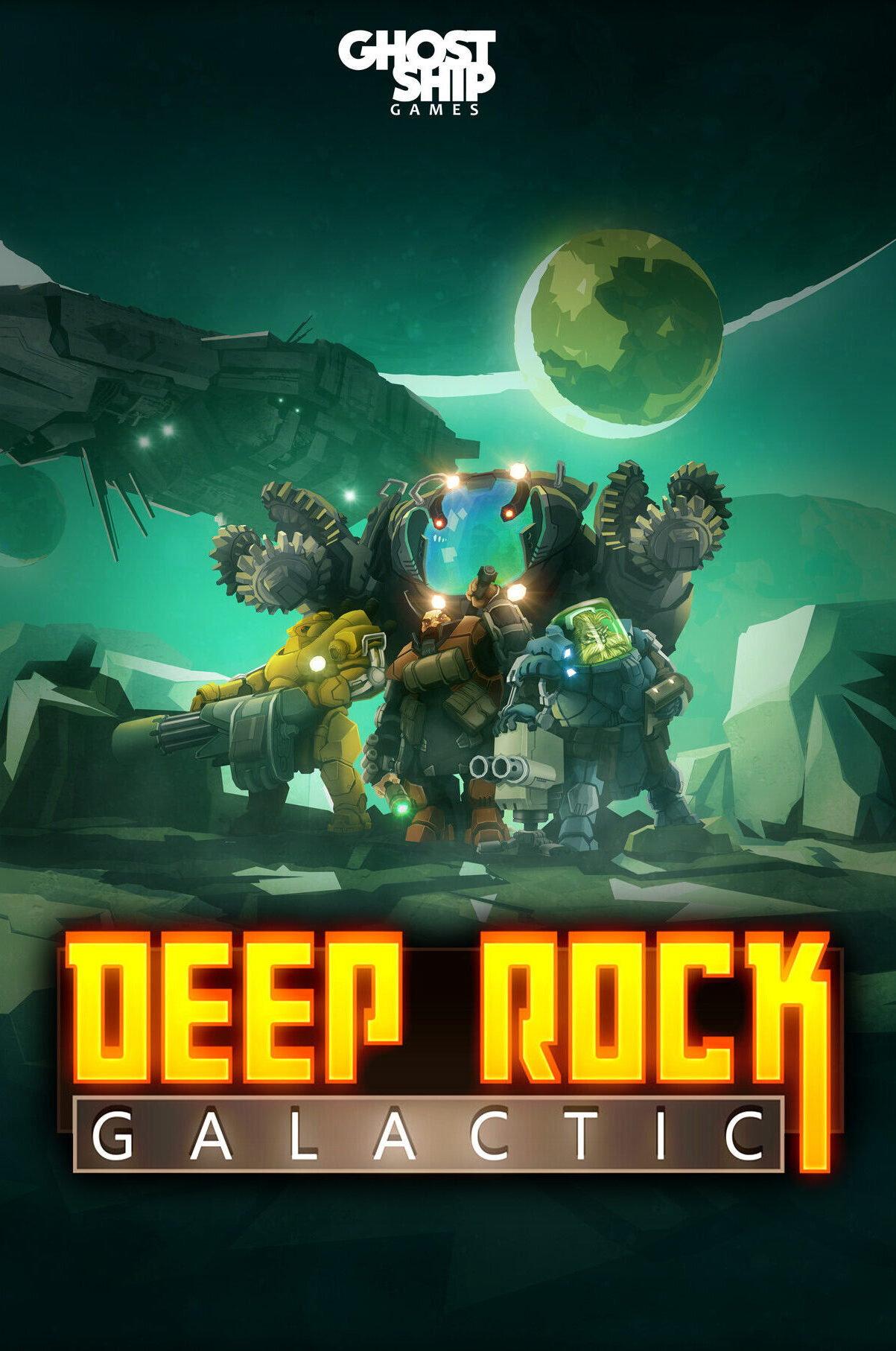
This talk explores Ghost Ship Games’ decade-long journey from a fledgling indie studio to the curators of a massive global IP. It traces Deep Rock Galactic’s evolution from early open development and an impactful partnership with Coffee Stain to achieving over 12 million players. The studio will share honest lessons learned from developing the original Deep Rock Galactic game alongside the community, and how things changed when the IP expanded into spin-offs. This transparent post-mortem provides insights into how to maintain player retention through fast-paced live-ops, collaborate effectively with external partners, and balance franchise identity across multiple spin-offs.
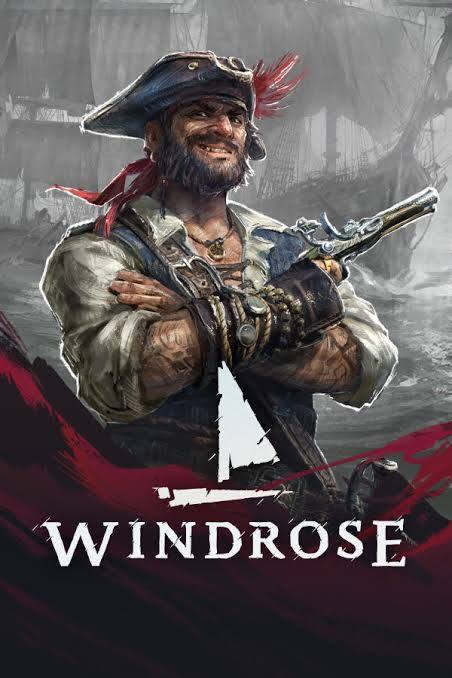
Lets explore how to use organic reach and steam to make a game visible. Windrose has been a noticeable Early access success in April 2026 on Steam, with over 1,5 million wishlists pre-launch. To get there, the team had to rely on organic reach and Steam visibility, with a nearly zero marketing budget throughout most of development cycle. Let’s see what worked and, more importantly, what did not in all the stages of Windrose publishing from early R&D to EA launch.